Essential First Aid Skills Everyone Should Know
Accidents and medical emergencies can happen at any time, whether at home, in the workplace, or in public spaces.
First Aid Training provides the knowledge and skills needed to respond quickly and confidently, potentially saving lives while minimizing injury. These programs cover CPR, wound care, choking response, and recognizing signs of serious medical conditions such as heart attacks or strokes. By completing First Aid Training, individuals can provide immediate assistance, reduce complications, and improve outcomes for those in need. First aid knowledge also promotes a safer environment for families, coworkers, and the community as a whole.
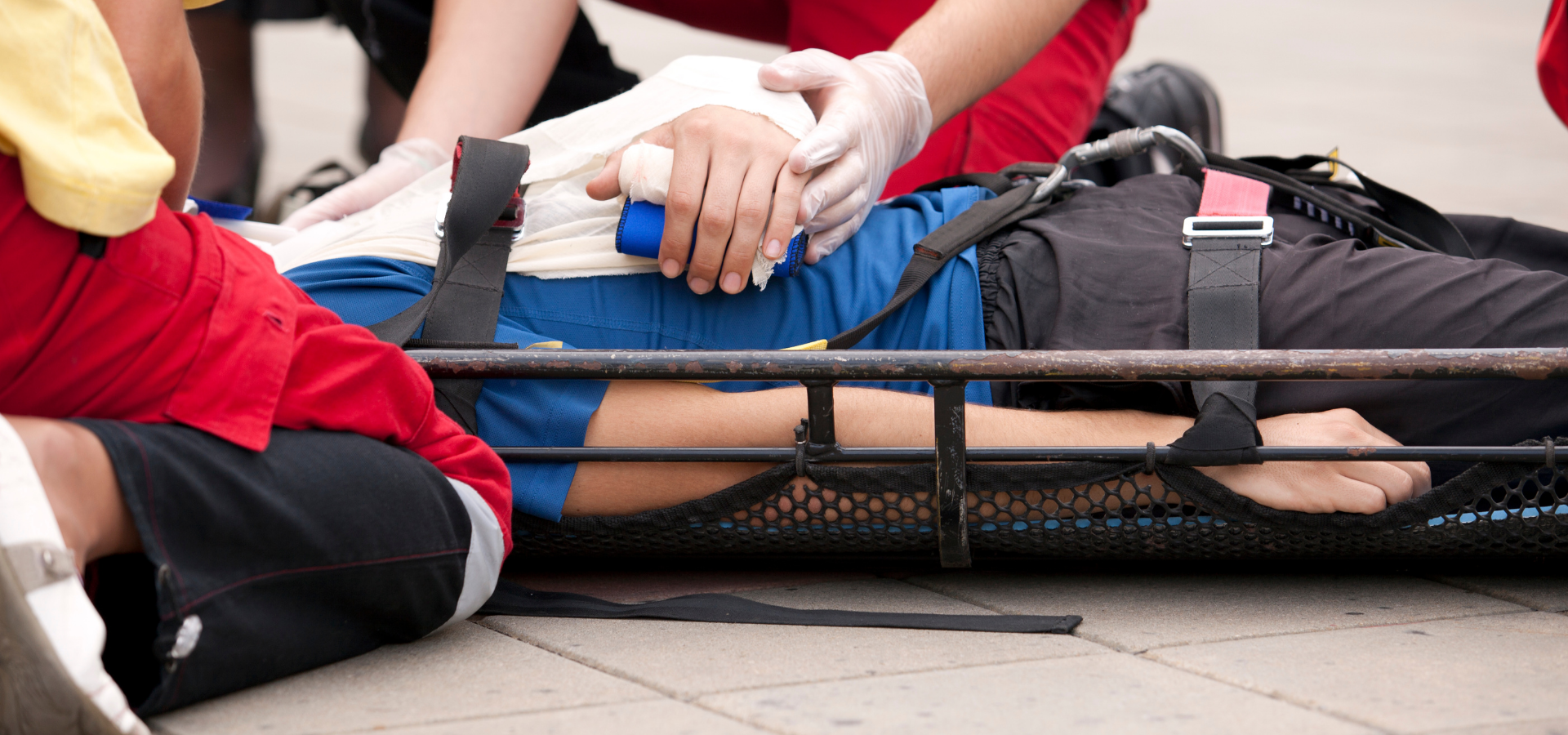
First Aid Skills for Everyday Emergencies
Knowing the right first aid techniques can make a significant difference in emergency situations. Key skills include:
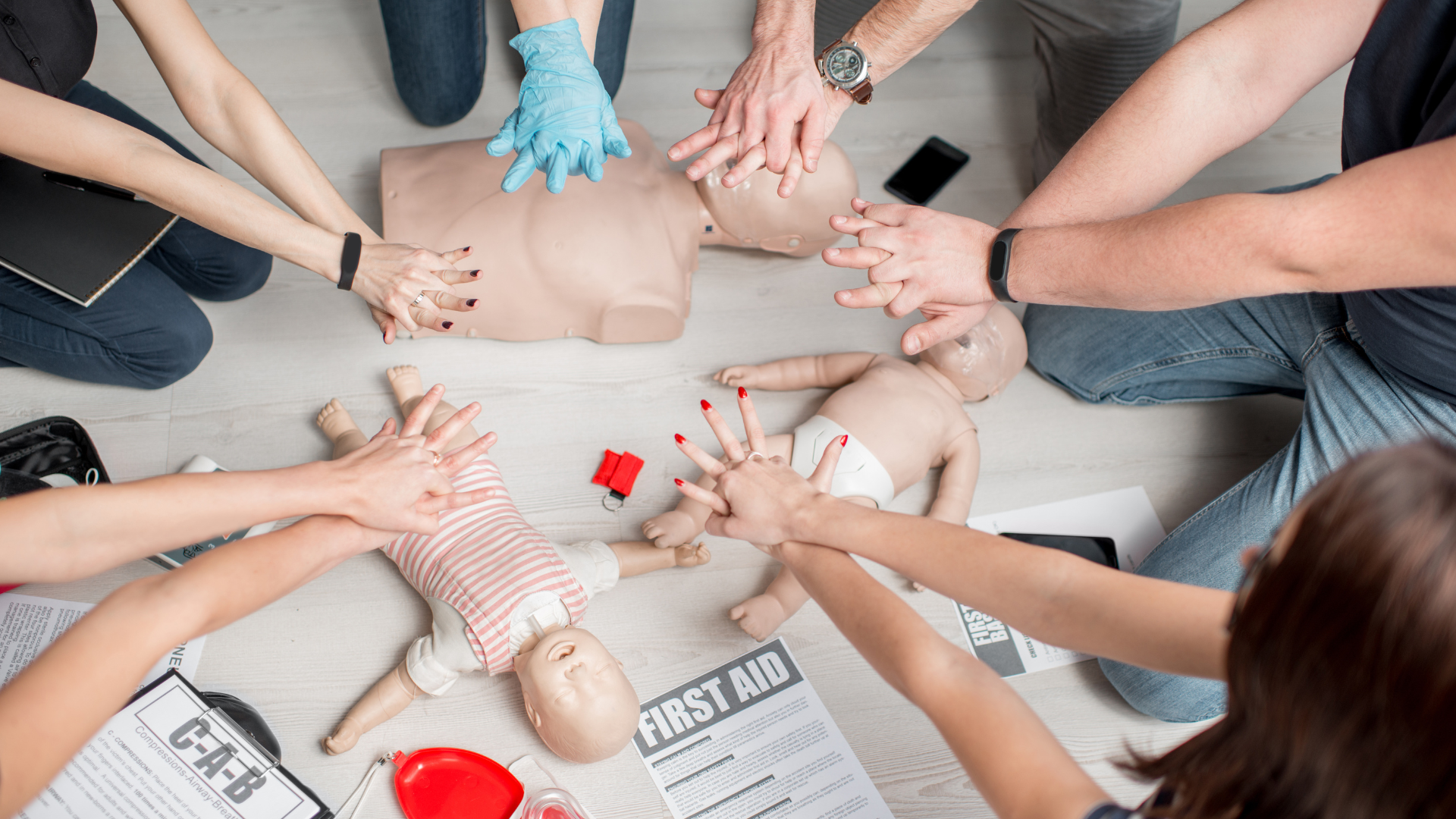
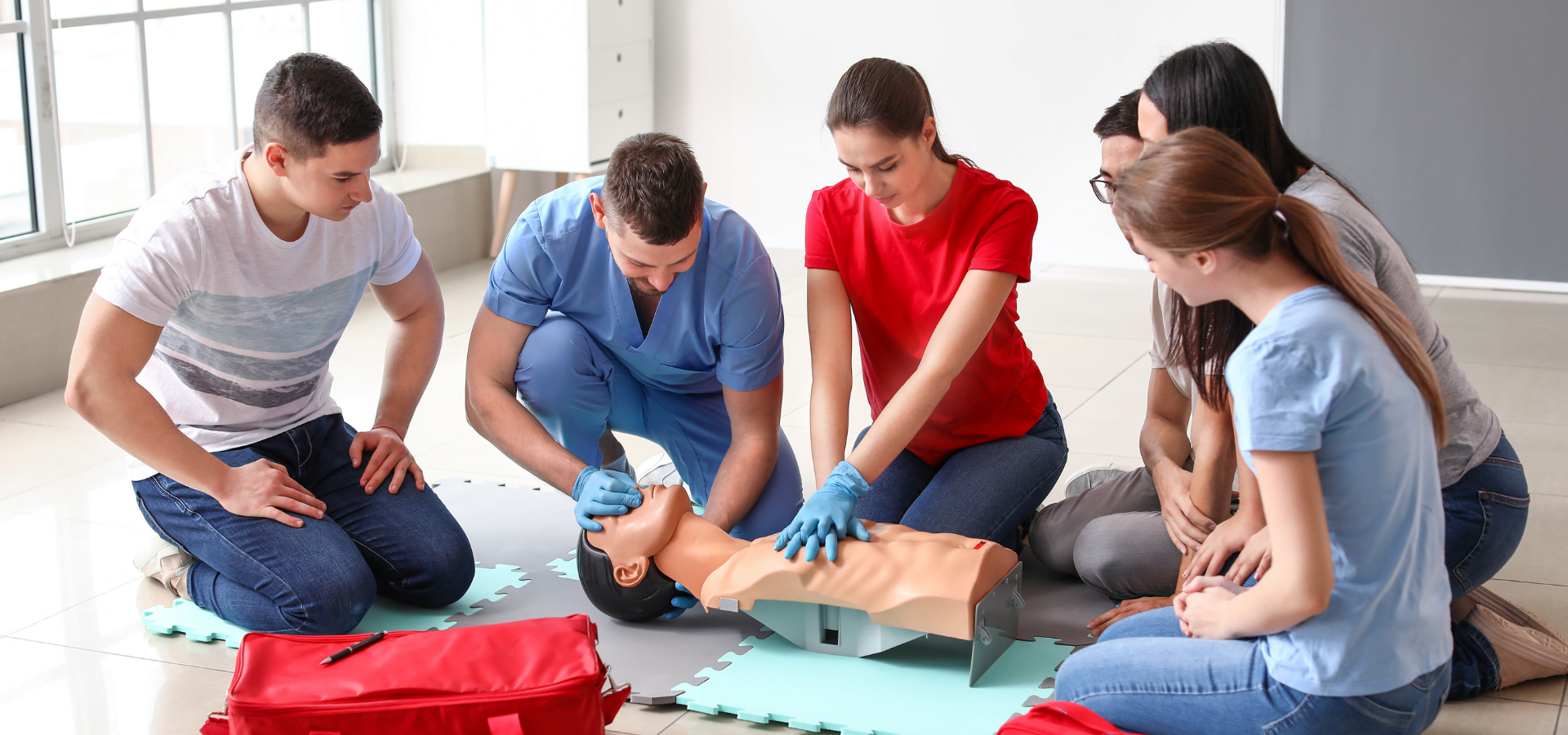
- CPR (Cardiopulmonary Resuscitation): Provides life-saving support during cardiac arrest and keeps oxygen flowing to vital organs.
- Choking Response: Techniques such as the Heimlich maneuver can prevent suffocation in adults, children, and infants.
- Bleeding Control: Applying pressure, using bandages, and recognizing when to seek advanced care prevents excessive blood loss.
- Burn Care: Immediate treatment, including cooling burns and applying appropriate dressings, minimizes tissue damage.
- Fracture and Sprain Management: Proper immobilization and stabilization of broken bones or sprains reduce pain and prevent further injury.
Recognizing Medical Emergencies
Awareness is as important as technique. Being able to identify signs of a heart attack, stroke, allergic reaction, or diabetic emergency allows for faster intervention and better outcomes. Essential skills include:
- Checking responsiveness and breathing
- Assessing circulation and skin condition
- Recognizing abnormal symptoms like slurred speech, dizziness, or severe pain
- Knowing when and how to call emergency services immediately
Using Emergency Equipment Effectively
First aid skills also involve knowing how to use basic emergency tools:
- Automated External Defibrillators (AEDs): Quickly restoring normal heart rhythm during cardiac arrest
- First Aid Kits: Properly stocked and knowing how to use bandages, antiseptics, and splints
- Oxygen Administration: Understanding when supplemental oxygen is needed and how to administer safely
First Aid Skills for Specific Situations
In addition to general emergencies, certain situations require specialized first aid knowledge to respond effectively:
- Allergic Reactions and Anaphylaxis: Knowing how to recognize severe allergic reactions and administer an epinephrine auto-injector can be life-saving.
- Heat-Related Illnesses: Treating heat exhaustion or heat stroke promptly helps prevent organ damage and serious complications.
- Cold-Related Injuries: Recognizing and treating hypothermia and frostbite is crucial in extreme temperatures.
- Poisoning and Overdose Response: Understanding how to manage chemical exposures or drug overdoses until emergency personnel arrive.
- Seizures and Fainting: Providing safe positioning and monitoring can prevent injury and ensure proper care while awaiting help.
Mastering these specialized skills complements foundational first aid knowledge and ensures you’re prepared for a wider range of emergencies, both at home and in the workplace.
Why Everyone Should Learn First Aid
Mastering essential first aid skills increases safety at home, work, and in the community. These skills:
- Reduce the severity of injuries and medical complications
- Provide confidence to act during emergencies
- Promote a safer environment for families, coworkers, and the public
- Complement other safety and emergency preparedness training programs
Call Our Experts for First Aid Training
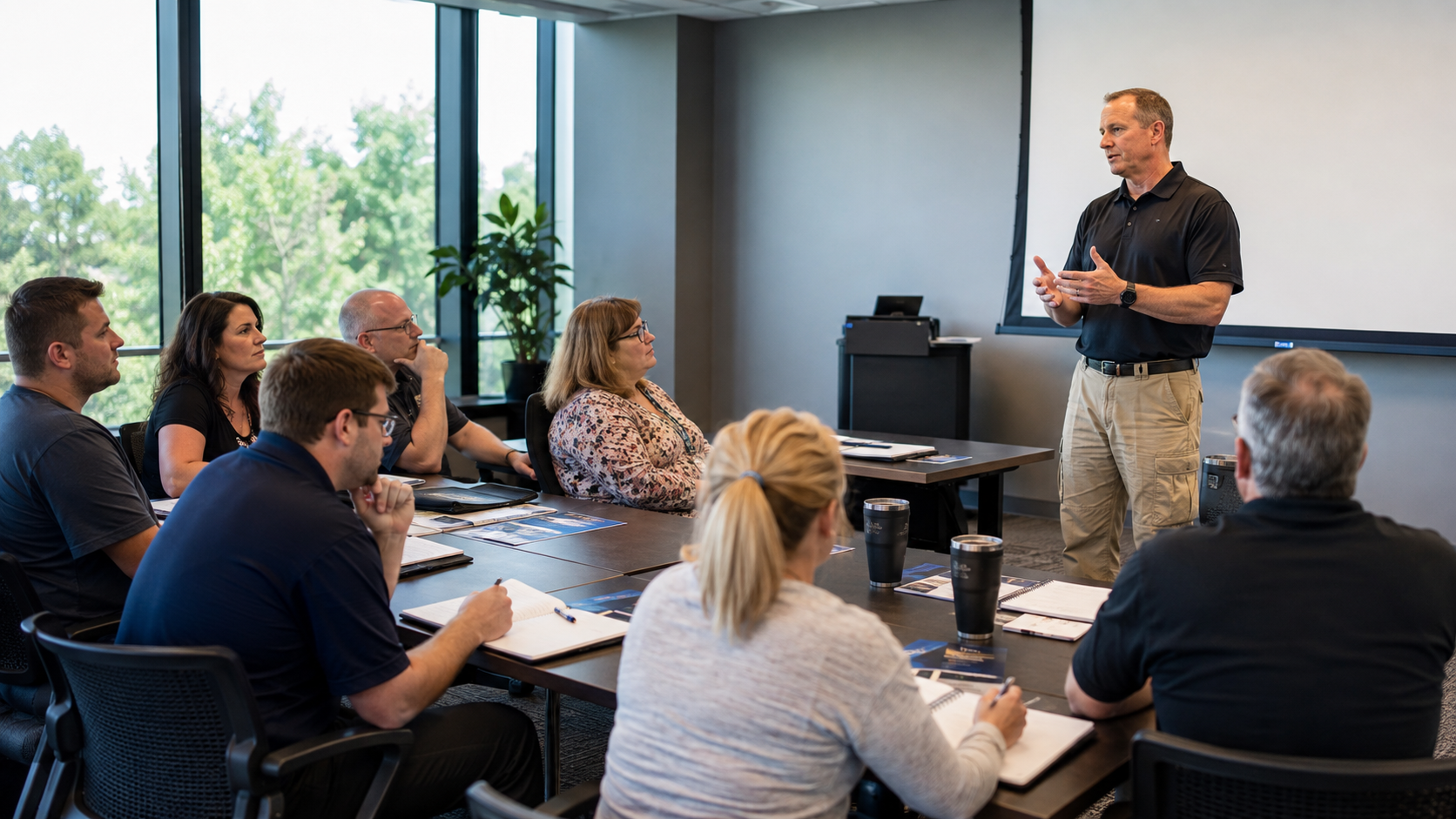
Don’t wait until an emergency occurs—learn essential first aid skills today. Our certified instructors provide hands-on training, real-life scenarios, and comprehensive courses to ensure you can respond effectively in any situation. From CPR and choking response to wound care and emergency equipment use, we equip participants with the knowledge and confidence to save lives. Contact us now to schedule your first aid training session and gain skills that truly matter.